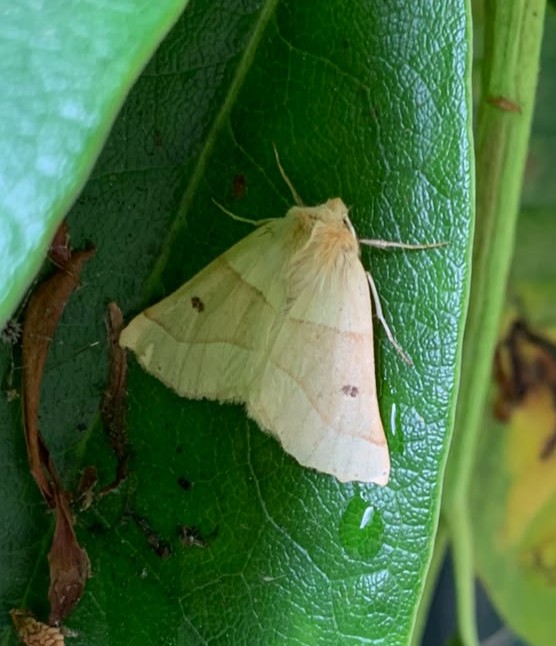
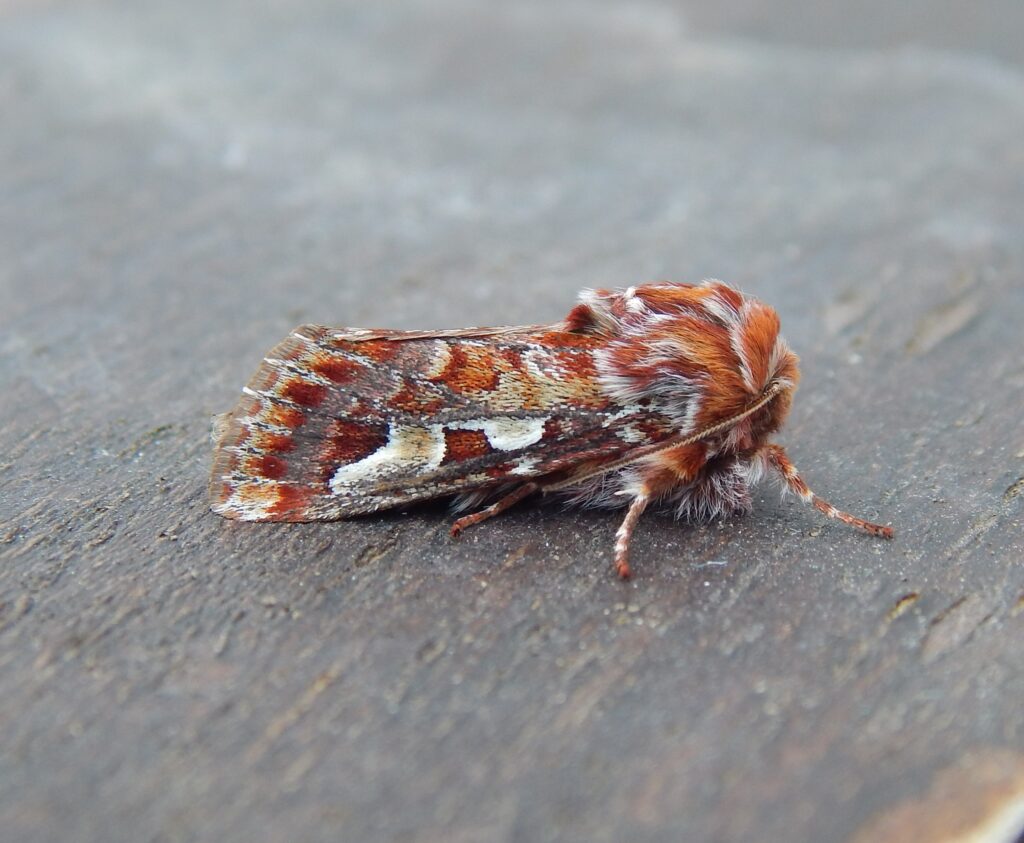
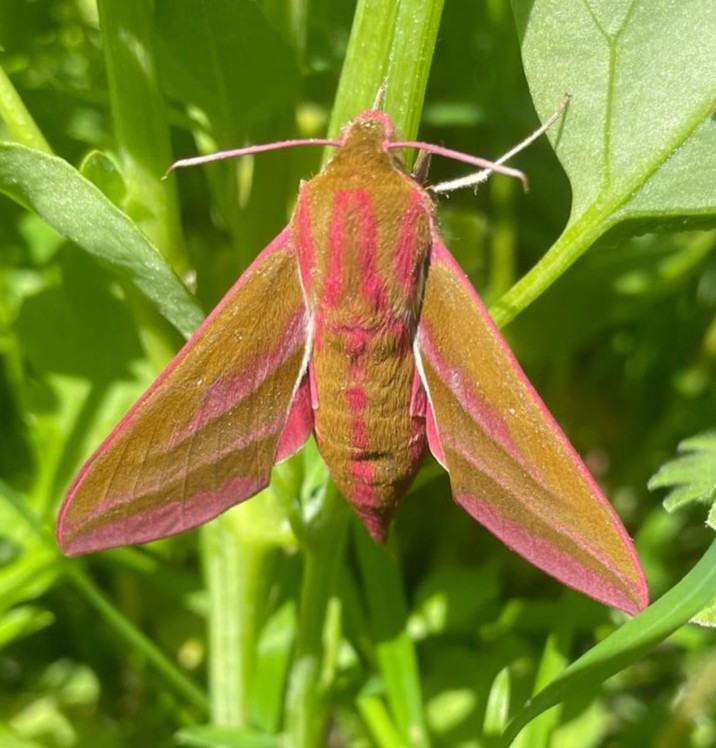
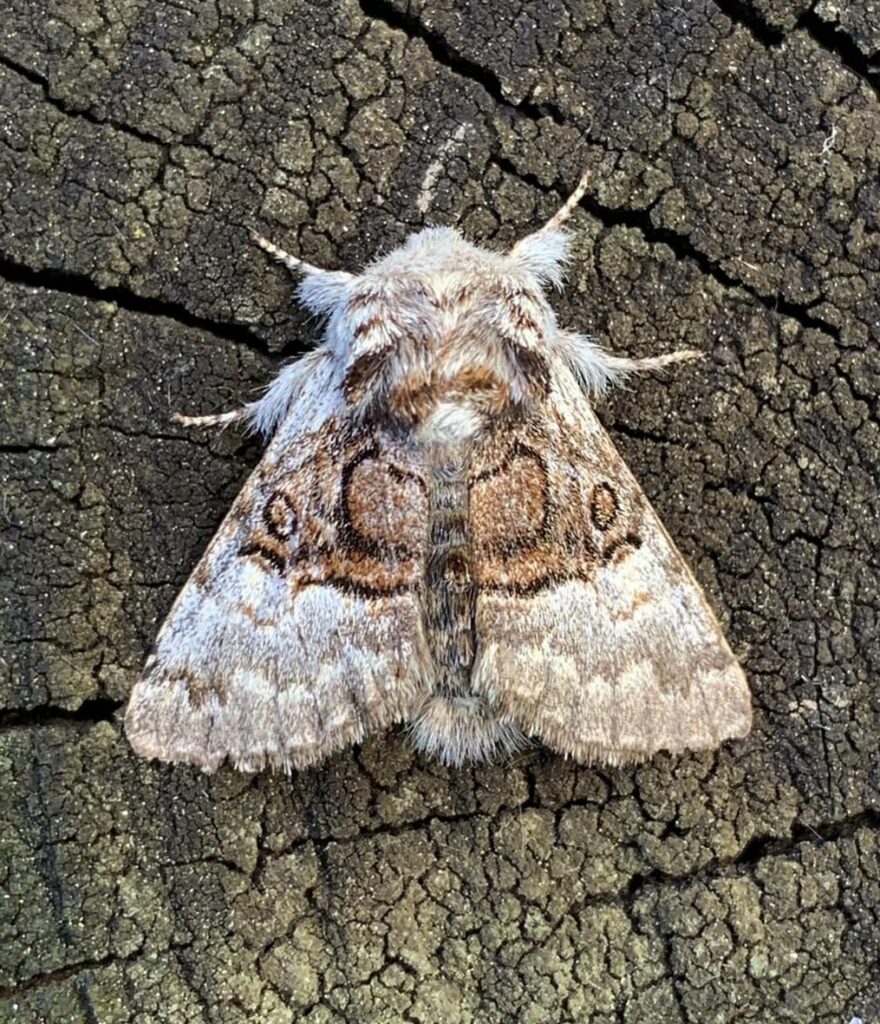
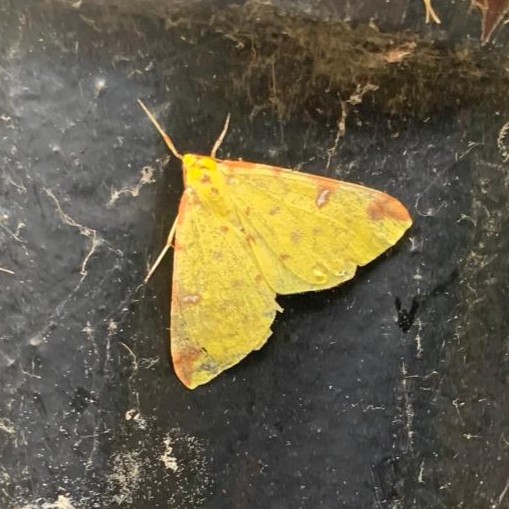
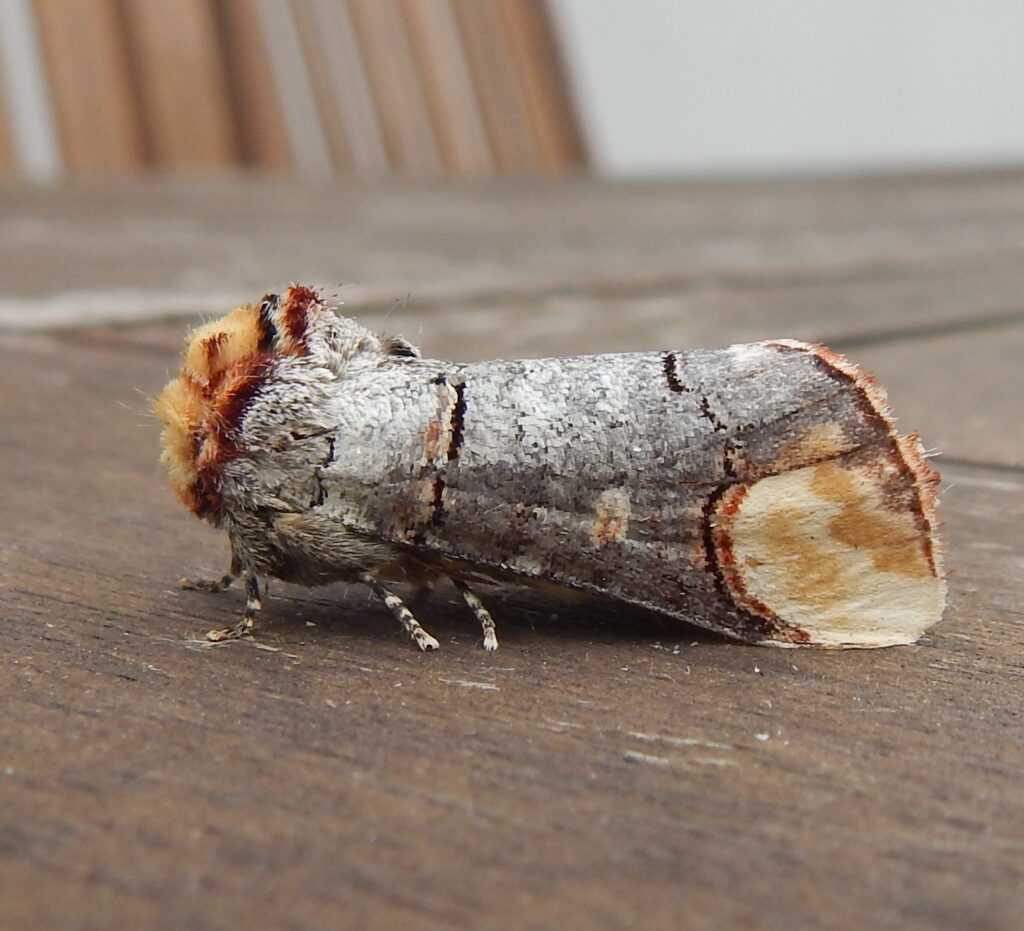
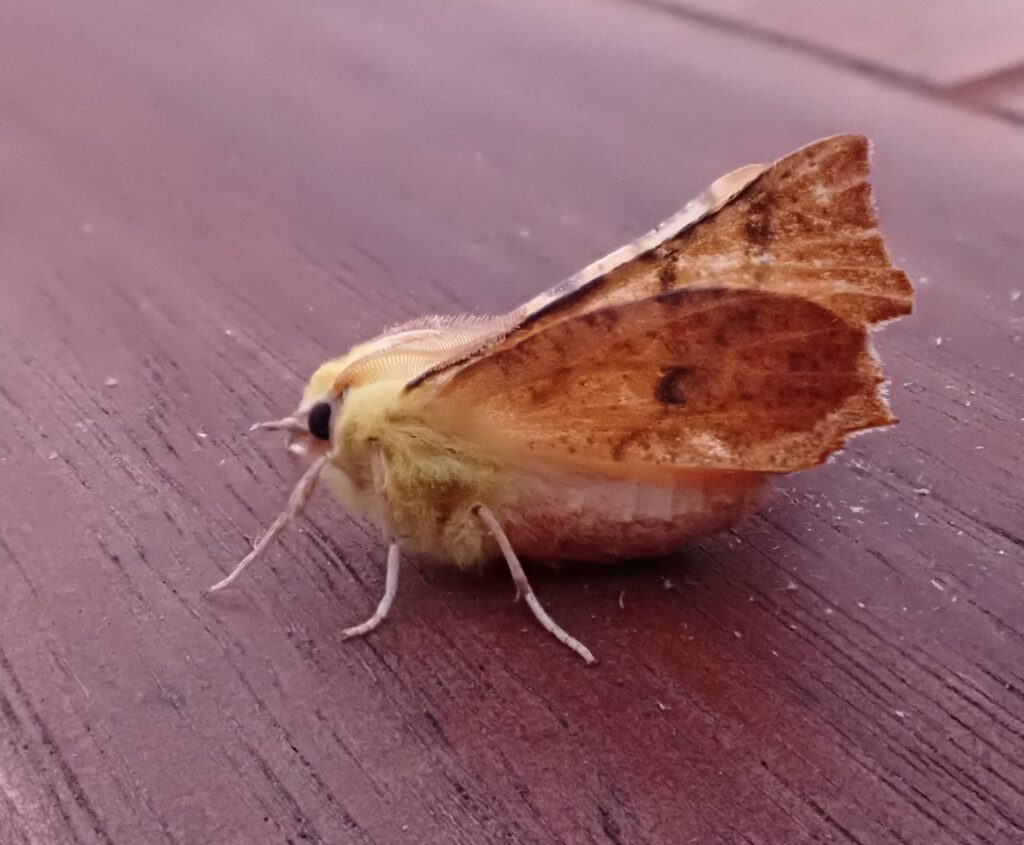
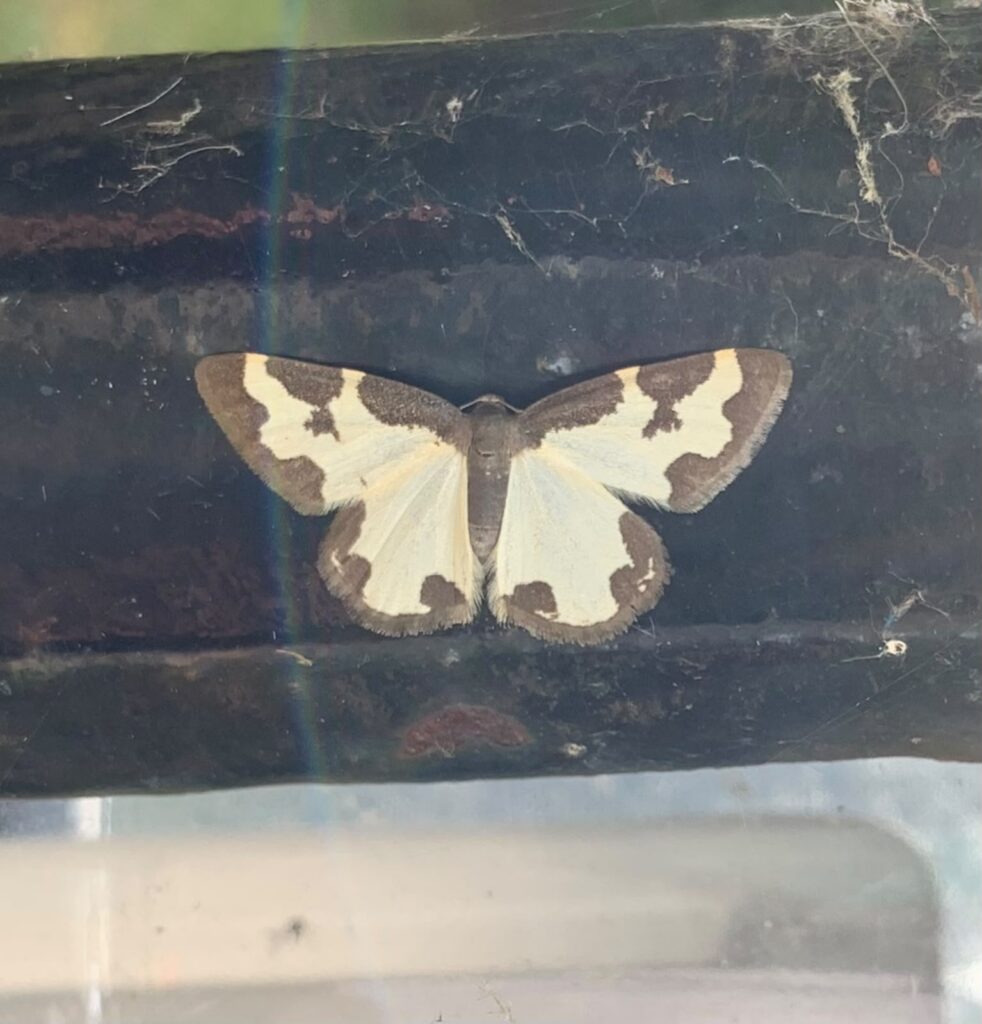
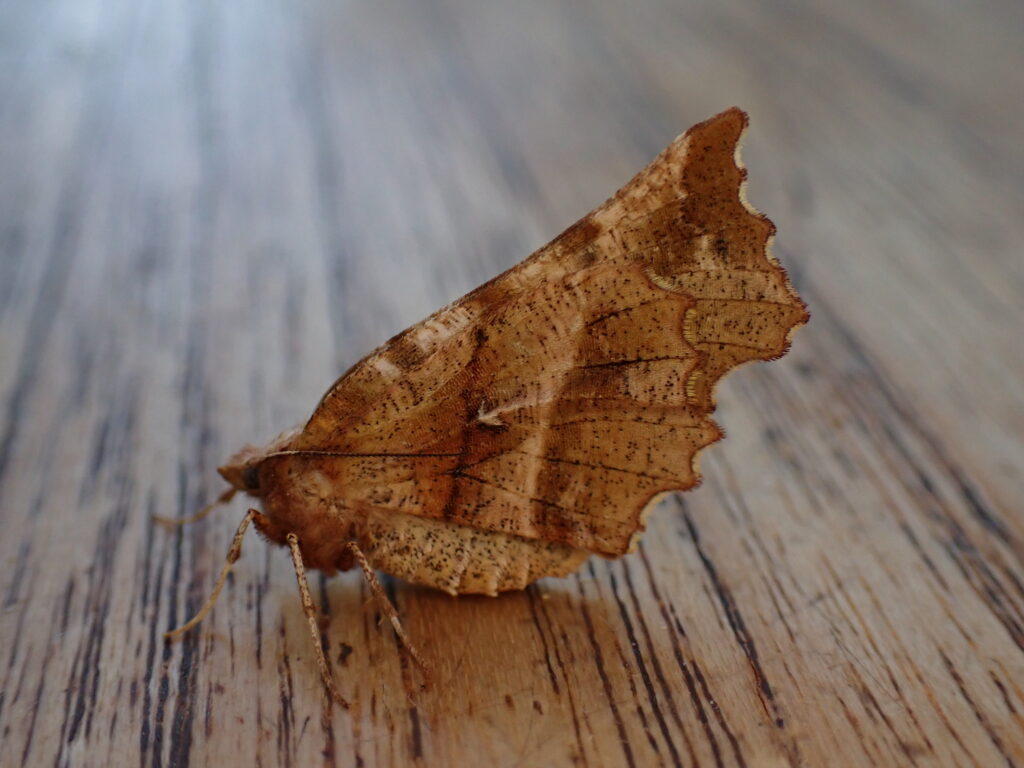
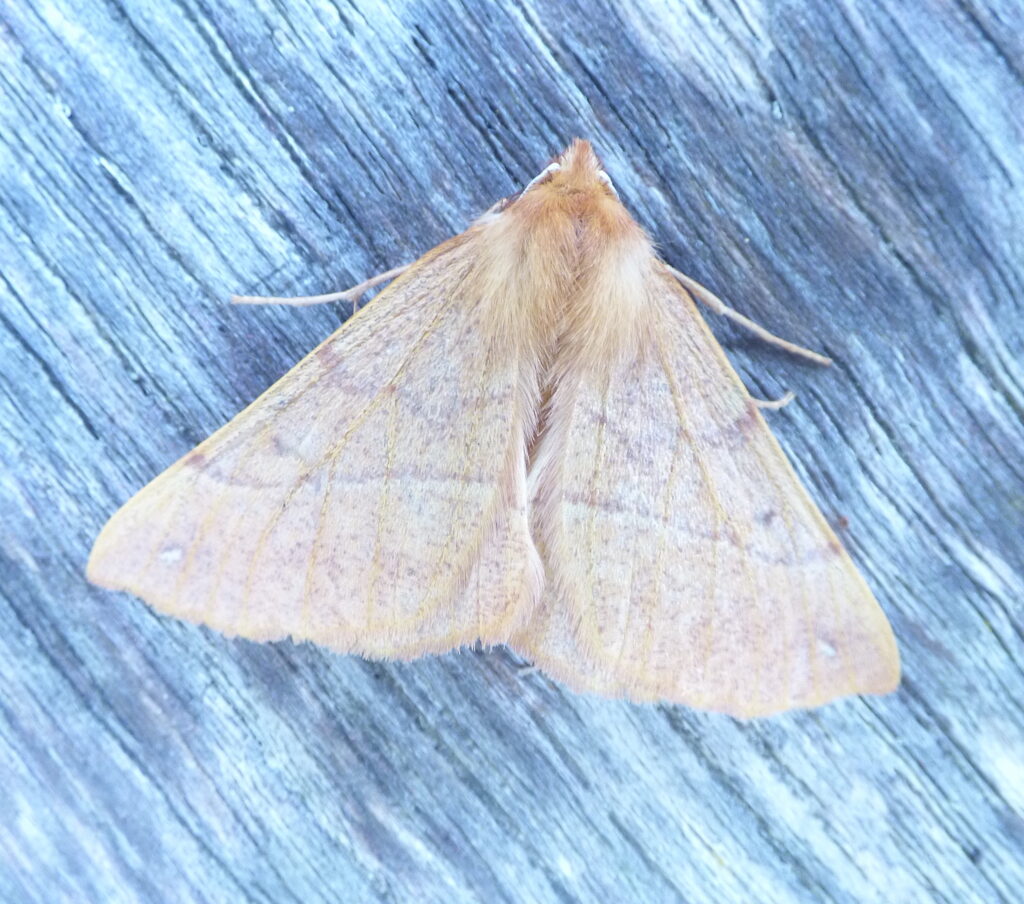
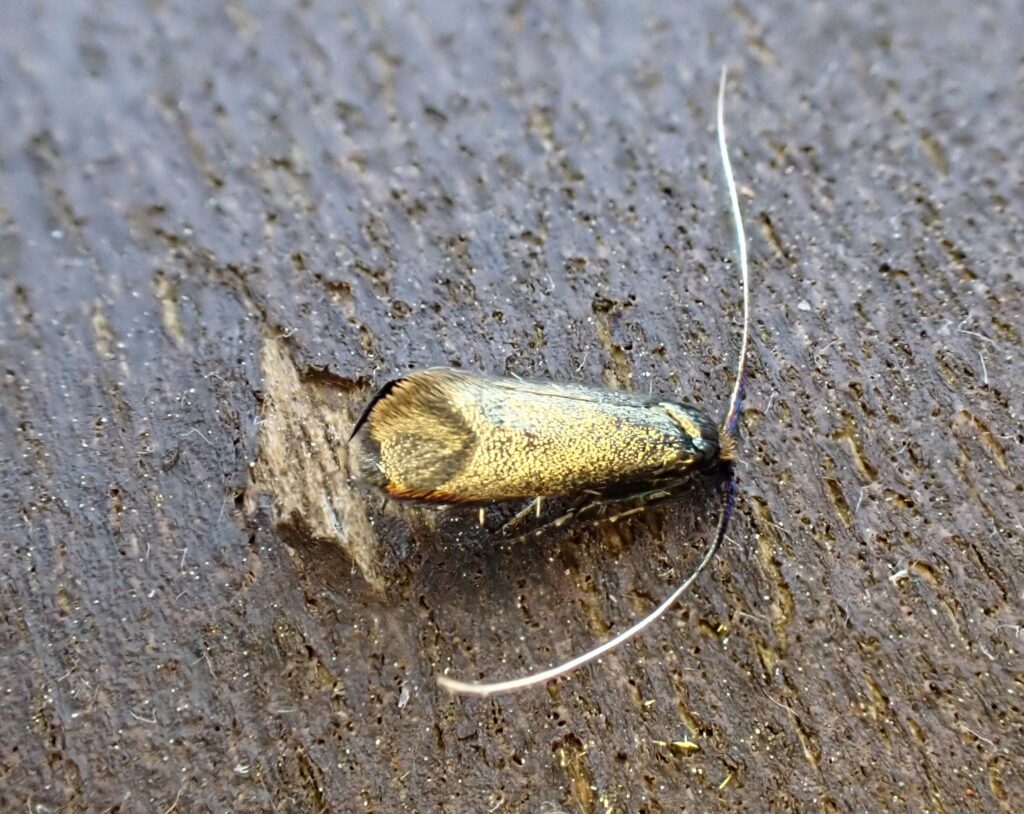
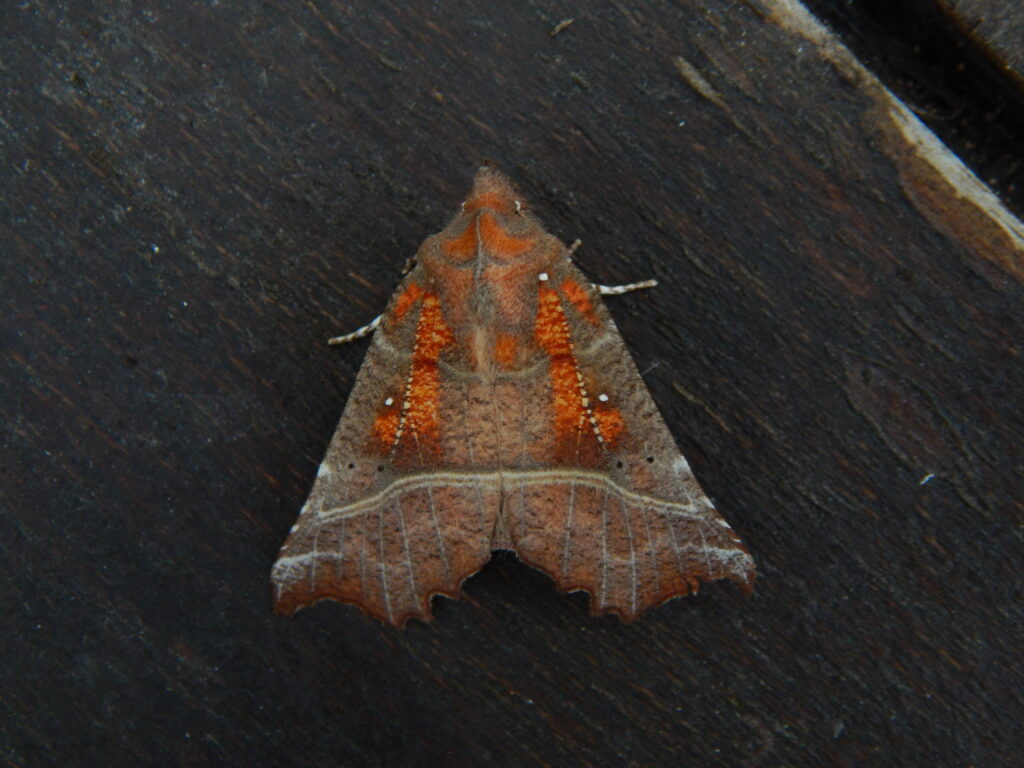
While exploring Harmeny’s grounds during his lunchtime walks, Neil, Harmeny’s Admin Co-ordinator and keen moth enthusiast, began observing and recording the species he encountered. Five years later, he has documented an extraordinary 200 different moth species, revealing a hidden world of colour, pattern and biodiversity.

A Harmeny Moth Odyssey – 200 and counting!
By Neil O’Donnell
A recent YouGov poll suggests that three quarters of the UK public have a bad opinion of moths.
Many people think they eat all your clothes and are hell-bent on smacking you in the face as they buzz around the hallway light when they manage to get into our homes through an open door or window. 17% of people think they are ‘ugly’ and 12% think they are ‘scary’.
In parts of the USA, they even think a mythical humanoid creature called ‘The Mothman’ (not me, by the way) with glowing red eyes (my eyes are blue) haunts areas, terrorises locals and is seen as a dark omen and a harbinger of tragedy.
Why do they have such a bad reputation compared to their much more tolerated cousins butterflies? Does the fact they are mostly active at night give them a dark mysterious reputation?
Fun facts about moths
Only two species of moths in the UK are known to eat fabric. Their reputation is not helped by the fact that the Victorians named moths things like Garden Carpet, Flame Carpet, etc., mainly because their patterns reminded them of the intricate patterns on fancy rugs. Thanks, Victorians!
It has recently been discovered that they are better at pollinating plants than our so called ‘busy’ bumblebees, pollinating a much wider range of plants including crops over a much wider distance. Lazy bumblebees.
Moths and their caterpillars are an important food source for many other species, including amphibians, small mammals, bats and many bird species. Yum!
Two thirds of the UK’s common and widespread moth species have seen their populations decline over the past 40 years. Sad.


The search begins…
It was this last fact that had me thinking about the number of species that might be found around the grounds at Harmeny, so five years ago, during my lunchtime walks, I started to record the different species I encountered.
This was no mean feat considering that the majority of them aren’t active during the day. Instead, they find shelter under leaves, under tree bark or on blades of grass and no doubt laughed at me in my attempt to uncover their whereabouts. Some can also be found on walls next to lights, biding their time until it falls dark again, entering a deep rest state called ‘torpor’ to stay safe.
Most moths only associate with a few different plant species which provide a food source for their caterpillars. So, if a certain species of moth is present in an area, for example the Cinnabar moth, then it’s a fair assumption that the plant called Ragwort is present nearby.
From lunchtime walks to the Moth Club

Some of the moths I found required a closer look to confirm their identity, so I carefully placed them into wee plastic pots and took them home, where I used a few books to confirm their identity. I then brought them back into work the following day to release them safely where I’d found them.
As I brought more and more pots back into the office each lunchtime, a few colleagues started to take notice and would ask to see them, ask interesting questions and slowly change their own opinion of moths.
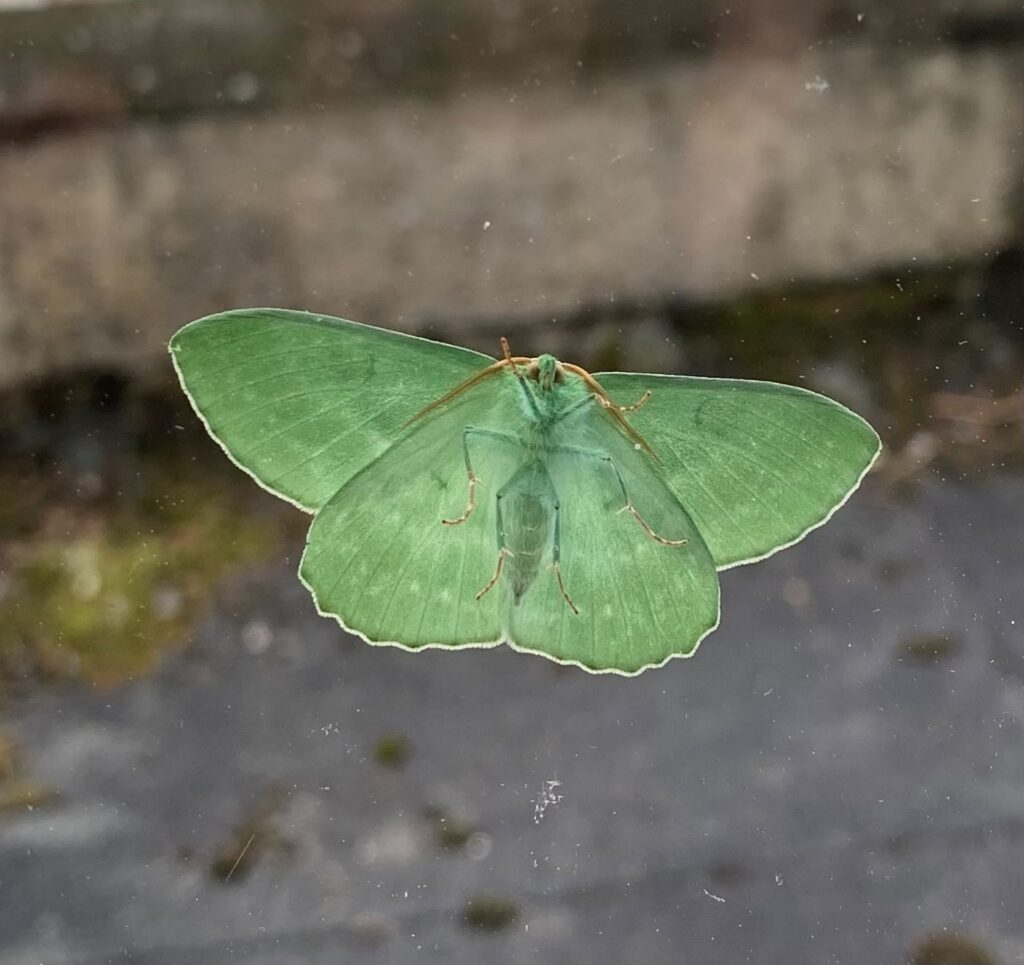
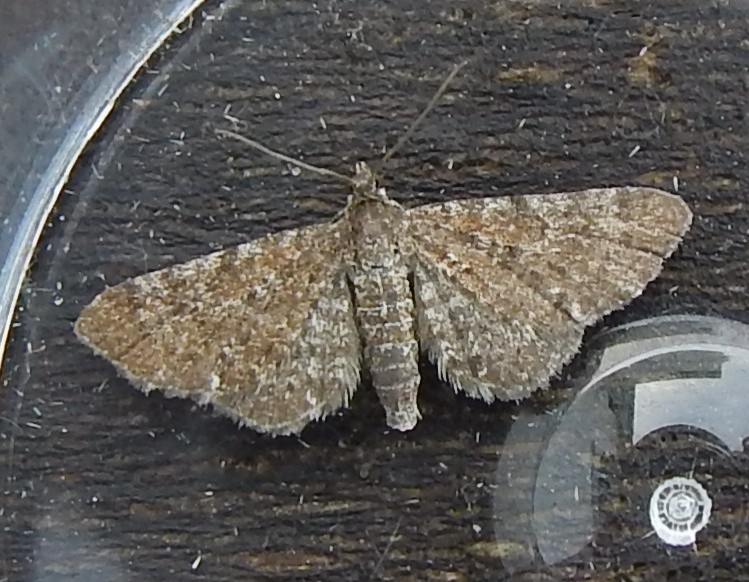
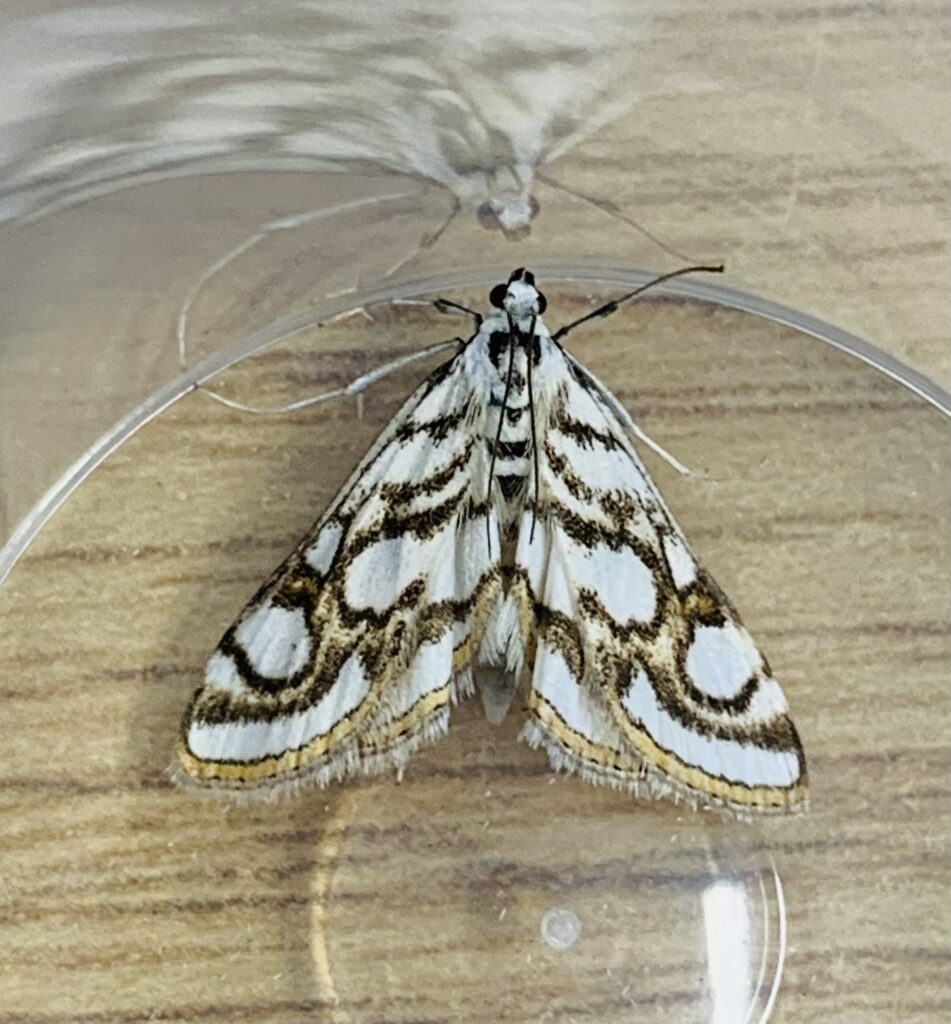
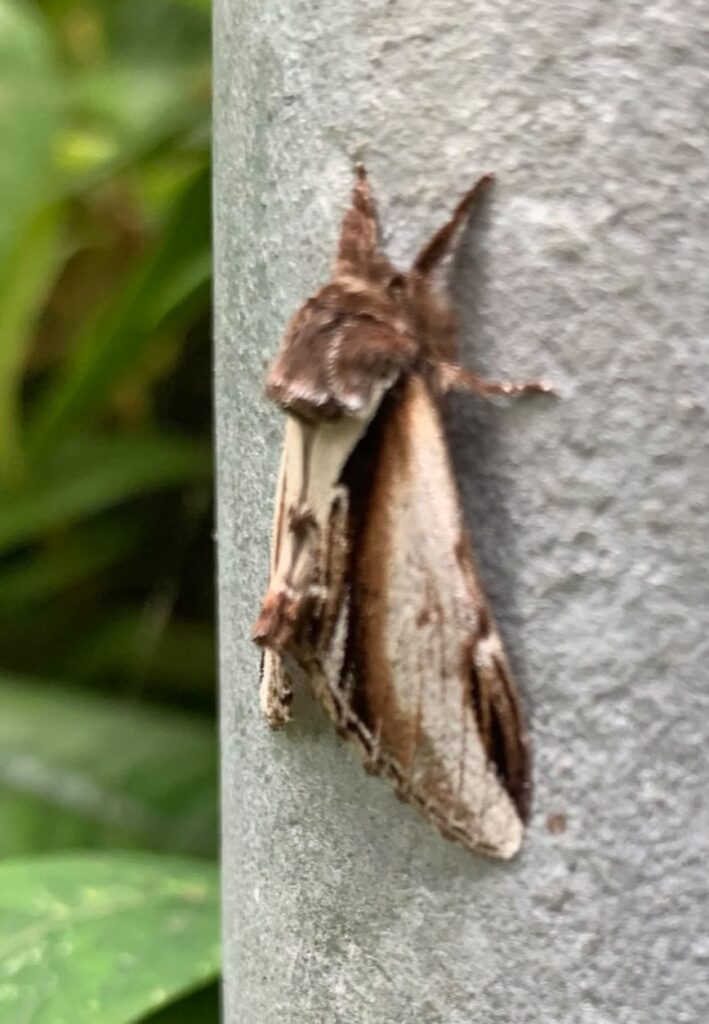
Gone was the notion that they were all boring, brown, dusty, fluttery pests. People were amazed at the myriad of different colours and sizes – every bit as exotic as the butterflies that can easily be seen as they fly around during the day. It wasn’t long before the Harmeny Moth Club was born!
A milestone for Harmeny’s wildlife
The good thing about Harmeny is that, thanks to our gardening team, there are many different species of plants on site. This would hopefully mean that many species of moths would be present.
This assumption would prove to be correct, as I have recently found my 200th different species.
Each season of the year produced different moths of different colours. The springtime browns and greens gave way to a whole host of colours during summer.
In autumn, more moths that are yellow and orange emerge to match their surroundings in an attempt to evade hungry eyes. Winter is generally too cold for moths, but a few plucky species hang on in there.
Moths are not just drab, dusty pests that eat your clothes; they are actually some of nature’s most stunning, intricate and misunderstood masterpieces.
While butterflies get all the fame, moths boast a hidden world of vibrant colours and patterns that rival any butterfly.
M’on the moths!